
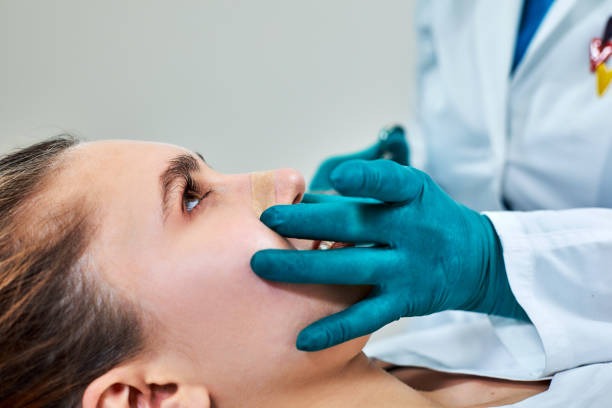
Rhinoplasty, commonly known as a nose job, is a surgical procedure that reshapes or resizes the nose for aesthetic or health reasons. It’s one of the most popular plastic surgery procedures worldwide. However, like any other surgical operation, it requires careful preparation and understanding what to expect before and after the procedure.
Before rhinoplasty, consultation with your surgeon is crucial to discuss your expectations and understand the potential results. During this consultation, your surgeon will examine your medical history, conduct a physical examination of your nose including internal structures and skin quality. They may also take photographs for comparison after surgery or use computer software to show possible outcomes.
You’ll be asked about why you want the surgery and what you hope to achieve. Be open about your expectations; this will help in achieving satisfactory results. Your surgeon should explain all aspects of the procedure including risks involved so you can make an informed decision.
Preparation for rhinoplasty involves lifestyle changes such as quitting smoking since it can interfere with healing process by reducing blood flow to areas undergoing surgery. You may also be required to stop taking certain medications like aspirin which increase bleeding risk during surgery.
On the day of surgery, general anesthesia Jeffrey Lisiecki, MD is typically used so you won’t feel anything during operation but might experience grogginess afterwards due to effects of anesthesia wearing off. The procedure usually takes between one to two hours depending on complexity of desired changes.
After rhinoplasty, immediate recovery occurs in a designated room under supervision until effects of anesthesia wear off completely – usually within few hours post-surgery. Most people go home same day but need someone else for transport due to lingering effects from anesthesia.
Post-operative care includes wearing a nasal splint for first week which helps maintain new shape while healing occurs underneath. Swelling and bruising around eyes are common but subside gradually over two weeks time period; cold compresses can help reduce these symptoms.
Pain is usually mild to moderate and can be managed with prescribed painkillers. It’s recommended that you sleep with head elevated for first few days to help reduce swelling. You may also experience some nasal congestion due to internal swelling which resolves over time.
Follow-up visits are scheduled within first week post-surgery for splint removal and assessment of healing process. Full recovery takes about a year, with major changes noticeable within first three months while subtle refinements continue up until end of this period.
Rhinoplasty can significantly improve self-confidence by enhancing facial harmony but it’s important to have realistic expectations. The goal is improvement, not perfection. Communication and trust in your surgeon are key components in achieving satisfactory results from rhinoplasty procedure.