
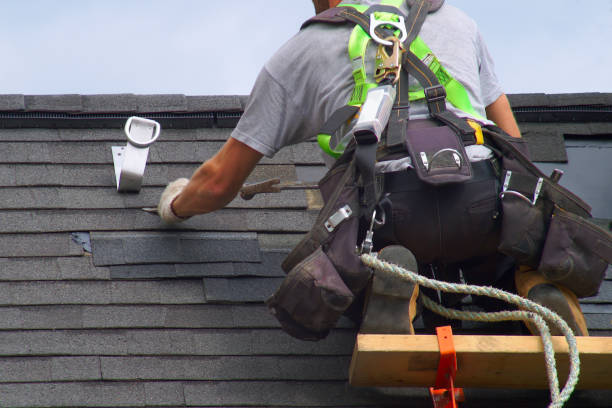
Replacing the roof of a historic property is a delicate task that requires careful planning and execution. It involves not just the preservation of the structure, but also retaining its historical significance and aesthetic appeal. The challenge lies in using modern roofing materials and techniques without compromising the architectural integrity of the property.
Historic properties often have unique architectural features that are not commonly found in contemporary buildings. This includes specific types of roofing systems, such as slate or clay tiles, wood shingles, or even metal roofs. These traditional materials were chosen for their durability, functionality, and their ability to enhance the overall appearance of the building.
The first step in any roof replacement project for a historic property is to conduct a thorough assessment of the existing roof system. This will help determine its current condition and identify any potential issues that may arise during replacement. It’s essential to hire professionals who specialize in historic properties as they would have a deep understanding of how these structures were built and how they’ve evolved over time.
When it comes to choosing materials for replacing roofs on historic properties, there are several factors to consider. The goal should always be to match the original materials D-ROC Renovations Arvada as closely as possible while ensuring longevity and durability with modern technology where appropriate.
In some cases, this might mean sourcing reclaimed or recycled materials that mirror what was originally used on the building. For example, if your historic home originally had cedar shakes or slate tiles on its roof, you might want to use similar materials when replacing it.
However, due to advancements in technology and changes in building codes over time, using identical materials may not always be feasible or practical. In such instances, one can opt for newer products designed to mimic traditional styles without sacrificing performance or durability.
For instance synthetic slate made from rubber composite material can replicate authentic slate’s look while being lighter weight and more resistant against weathering than natural stone; similarly metal roofs coated with stone granules can imitate terracotta tiles’ texture and color.
It’s also important to consider the property’s location and climate when selecting roofing materials. Factors such as wind, snow, rain, and even sunlight can significantly impact a roof’s longevity. Therefore, it is crucial to select materials that are suitable for the local weather conditions.
In conclusion, replacing a roof on a historic property requires careful consideration of many factors including historical accuracy, modern building codes, durability of materials and local climate. With the right planning and execution by professionals experienced in working with historic properties, it is possible to maintain the integrity of these beautiful structures while ensuring they continue to provide shelter for generations to come.
D-ROC Renovations
18966 W 94th Ave, Arvada, CO 80007
970-519-5571