
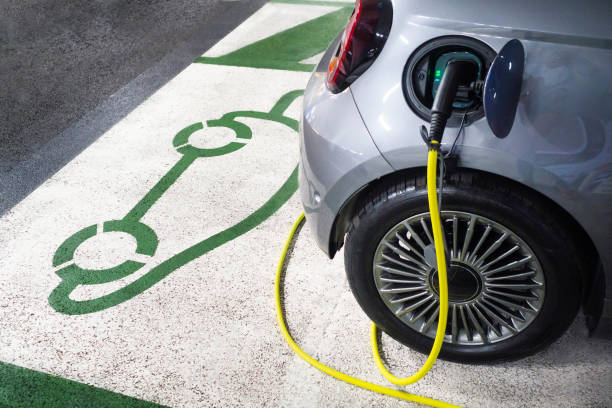
Electric vehicles (EVs) are rapidly gaining popularity due to their eco-friendly nature and cost-effectiveness. One of the critical components in the electric vehicle ecosystem is the EV charger pedestal, a device that provides power to charge your EV’s battery. Understanding these pedestals and choosing the right charging accessories can significantly enhance your EV experience.
An EV charger pedestal is essentially a stand that houses an Electric Vehicle Supply Equipment (EVSE). It acts as an intermediary between your car’s charging port and the electrical source, allowing safe transfer of electricity. These pedestals come in various shapes and sizes, some designed for single-car charging while others can accommodate multiple cars simultaneously.
The first thing you need to consider when choosing an EV charger pedestal is its compatibility with your vehicle. Different electric vehicles require different types of connectors for charging; hence it’s essential to choose a pedestal that supports your car’s connector type.
Next comes the power rating or level of the charger. There are primarily three levels: Level 1, Level 2, and DC Fast Charging (Level 3). Level 1 chargers use standard household outlets providing slowest charge times, suitable for plug-in hybrid electric vehicles or if you have plenty of time at hand. Level 2 see additional resources chargers are faster than level 1 but require dedicated electrical circuits making them ideal for home installations or public stations where users may spend few hours like shopping malls or office complexes. Lastly, DC Fast Chargers provide rapid charges but they’re expensive and not typically used for residential purposes due to high installation costs.
Another important aspect to consider is whether you want networked or non-networked chargers. Networked chargers allow remote monitoring via smartphones apps where you can track energy consumption, schedule charges during off-peak hours etc., while non-networked ones don’t offer such features but they’re cheaper comparatively.
Safety features should also be taken into account while selecting a charger pedestal. Look out for safety certifications like UL or ETL which ensure that the product has been tested for safety standards. Additionally, features like ground fault protection and auto-restart functions can provide added security.
Lastly, consider the placement of your charger pedestal. If it’s going to be installed outdoors, make sure it is weatherproof and durable enough to withstand harsh conditions.
In conclusion, choosing an EV charger pedestal involves careful consideration of several factors such as compatibility with your vehicle, power rating of the charger, networking capabilities, safety features and location of installation. By understanding these aspects and making informed decisions accordingly, you can ensure a smooth and efficient charging experience for your electric vehicle.