
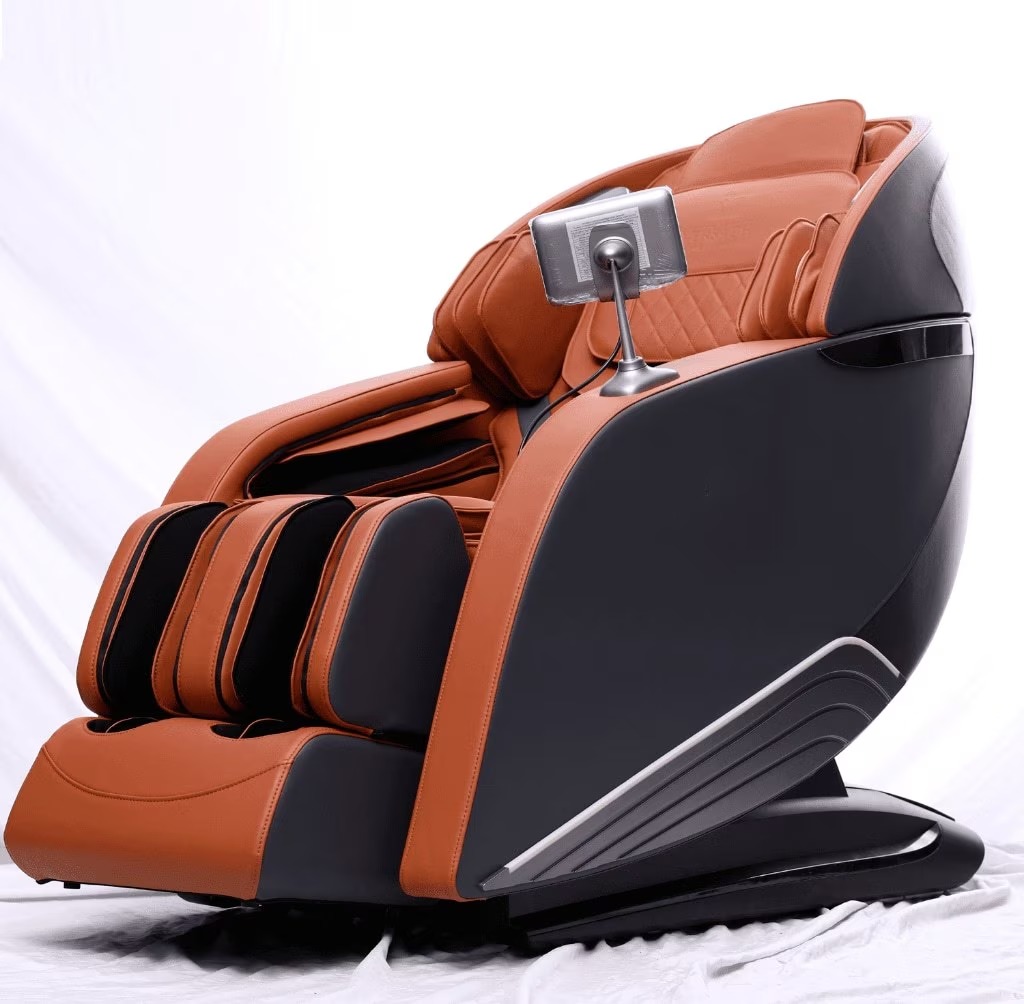
After a long day at work, many individuals seek ways to unwind and alleviate the physical stress accumulated throughout their busy schedules. One popular method that has gained significant attention is the use of massage chairs. These advanced devices are designed to simulate various massage techniques, targeting key muscle groups and promoting relaxation. But do massage chairs truly improve comfort after work hours? The answer lies in understanding both the physical and psychological benefits they offer.
Massage chairs provide a convenient and efficient way to relieve muscle tension without the need for professional services or appointments. After sitting at a desk or standing for extended periods, muscles often become stiff and sore. massage chair reviews chairs employ rollers, airbags, and vibration mechanisms that mimic kneading, tapping, rolling, and shiatsu massages. This mechanical stimulation helps increase blood circulation in affected areas such as the neck, shoulders, back, and legs. Improved circulation delivers more oxygen and nutrients to tired muscles while facilitating the removal of metabolic waste products like lactic acid that contribute to soreness.
Beyond just addressing muscle discomfort, massage chairs also promote relaxation by activating the parasympathetic nervous system-the part responsible for rest and recovery. Many users report feeling less stressed after using these chairs due to reduced cortisol levels triggered by gentle pressure on specific points of the body known as acupressure points. This calming effect can enhance overall mood and mental clarity following a demanding workday.
Moreover, regular use of massage chairs may help improve sleep quality by easing tension before bedtime. When muscles are relaxed and stress hormones lowered through consistent sessions with these devices, falling asleep becomes easier which contributes significantly to overall well-being.
However, it is important to note that while massage chairs offer numerous advantages for post-work comfort enhancement they should not replace professional medical advice or treatment when dealing with chronic pain conditions or serious injuries. Users should also be mindful of proper usage duration; excessive use might lead to bruising or aggravate certain muscular issues if not monitored carefully.
In conclusion, massage chairs can indeed improve comfort after work hours by alleviating muscle stiffness through targeted mechanical massages while simultaneously reducing stress levels via activation of relaxation pathways within the nervous system. Their accessibility makes them an appealing option for those seeking quick relief from daily occupational strains without leaving home. When used responsibly alongside other healthy lifestyle practices such as stretching exercises or ergonomic adjustments at one’s workstation they serve as valuable tools contributing positively towards enhanced post-work comfort experiences.